Projects & Innovation
Motorized Roller Blinds for Office Buildings: Comfortable, Smart and Still Affordable
Manual blinds are fine in a house. In an office building they are a daily bottleneck: someone must reach, pull, and adjust dozens of windows, and many of them sit far above arm’s reach. Motorized roller blinds for office buildings remove that bottleneck with one remote, one wall switch, or one schedule. This guide explains when motorization genuinely pays, which control option fits a BMS or smart-home setup, the energy saving from automatic scheduling, and what the upgrade really adds to your budget.
Get a motorization proposal
Send the number of units, window orientations, and your building system. We reply with a technical spec and a written quote.
Request a ProposalTable of Contents
1. When motorized beats manual
Motorization pays off from the first window a person cannot reach. In office buildings the case gets stronger in four situations.
- High windows: mezzanine glass, atrium walls, and double-height lobbies that no hand can reach without a ladder.
- Meeting rooms: presenters need the light changed in seconds, and a remote answers faster than struggling with a chain.
- Many blinds operated together: one group command lowers forty blinds on a floor instead of forty people or forty trips.
- Smart building plans: a motor reports its position and accepts commands, so it becomes part of the building instead of a lonely curtain rod.
2. Remote, wall switch, or BMS/smart-home integration
Three control levels cover nearly every building, and MOWIN supplies all of them.
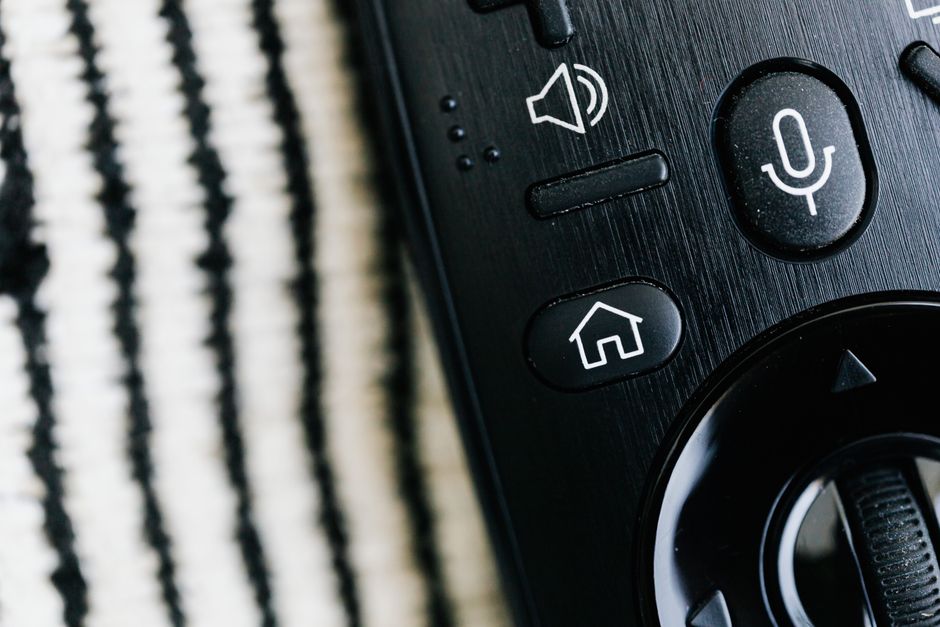
- Remote control: radio-frequency remotes are the cheapest path, and one remote groups all the blinds in a room or a whole floor.
- Wall switch: the reliable choice for rooms with a fixed user, such as a board room. No batteries and no lost remote.
- BMS or smart-home integration: motors with Wi-Fi or bus protocol follow schedules, react to sensors, and feed status back to a central system.
For corporate fit-outs we recommend deciding the control level before measuring, because wiring and programming change the installation scope. The full fabric and price options are in the MOWIN product catalogue. If your office also fights glare and heat on the glass wall, see how screen blinds handle hot and glare complaints in the same installation.
3. Energy savings from automatic scheduling
Automatic scheduling is the cheapest energy-saving feature an office can install, because it does not depend on staff discipline. Set the blinds to follow the sun: east windows close in the morning, west windows close in the afternoon, and clear glass stays open for daylight when the solar load is low.
The result is a lighter air-conditioning load during peak hours and stable light for workers all day. Because the motor lowers and raises at set times, the decision happens without any employee remembering to do it, which is why schedules beat reminders in real buildings. Across a whole floor of blinds, the saving on cooling easily outweighs the motor cost within a few years. We walk through the full calculation in our office blinds energy-saving guide.
4. How much does motorization add?
A tubular motor adds a percentage to the price of each blind, and the exact number depends on fabric width and weight. Wide blackout fabrics need bigger motors, and a rail 2.8 meters wide uses a stronger unit than a small meeting-room roller.
- Motor unit: the per-blind component and the biggest share of the upgrade.
- Power wiring and supply: depends on how many blinds share a route and where the junction boxes sit.
- Installation and programming: grouping, travel limits, and remote pairing are labor, done by the same team that fits the blind.
- Maintenance: motors stay simple to service when the fabricator keeps spare stock and a service schedule.
Here is the good news for building teams: the gap shrinks with volume. For dozens of units, wholesale pricing and shared installation costs narrow the difference until motorization often costs little more per window than manual. Compare wholesale versus single-unit pricing in our bulk order price guide.
The other way to read the number is cost per window over the building’s life. A manual blind needs a person per window per adjustment, while one group command moves a whole floor in seconds and then runs on its own schedule. Tense cords stretch and chains break sooner, so operators replace manual blinds earlier, which quietly makes the motorized option the cheaper one in use even before energy savings are counted.
5. Which blind types are compatible
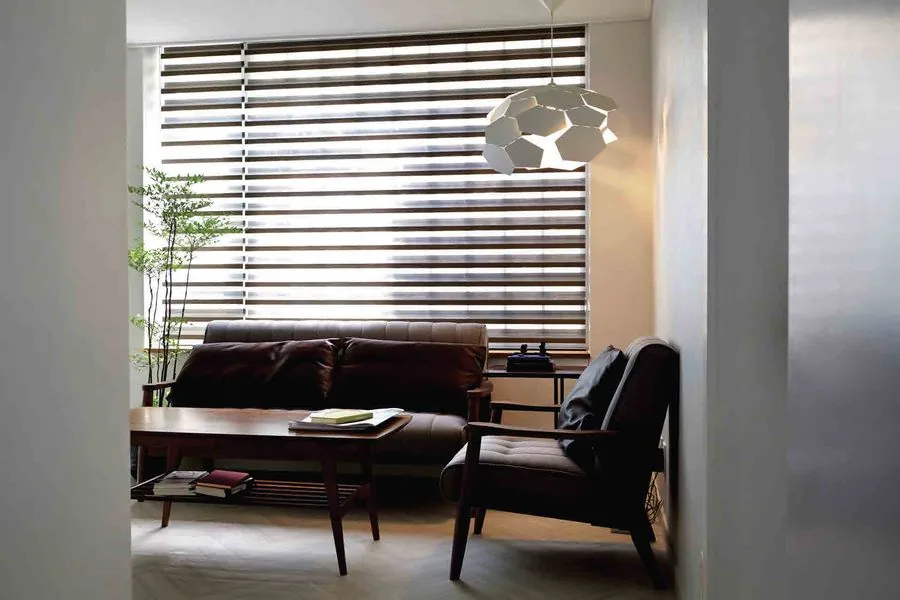
Most of our nine product lines accept a motor. Roller, zebra, and 3D blinds take a tubular motor directly; skylight rails use a linear motor that pushes along the track; vertical blinds need a special gear and should be discussed with a fabricator before fitting.
We only install a motor after confirming fabric weight, rail width, and the power supply on site, because an under-specced motor is how “motorized” turns into a service call. Find the compatible systems on the MOWIN product pages, or start with the MOWIN homepage – the roller blind fabricator behind the motors – and browse more office blind guides on the MOWIN blog.