Guides & Tips
Office Too Hot and Glaring? Screen Blinds Are the Answer
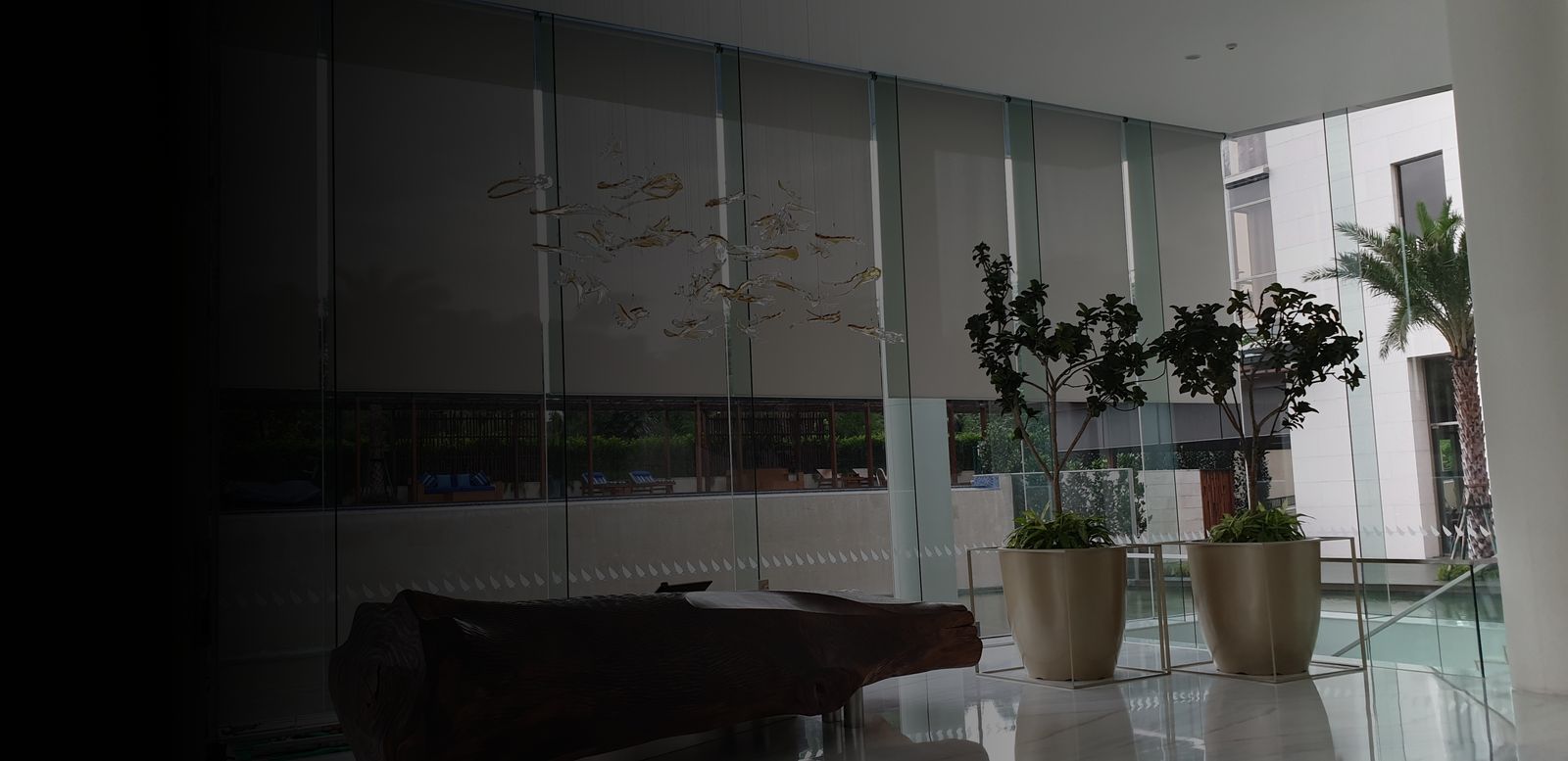
In Jakarta the complaint usually comes from the same floor: the east side is unbearable from 8 to 11, the west side from 2 to 6, and the middle of the room still feels dark. The glass is not the enemy – untamed glass is. For a hot and glaring office, screen blinds are the answer that keeps the daylight and drops the discomfort. This guide is written by the people who fabricate and install them, so you know precisely what to ask for on your next office fit-out.
Hot or glaring on your office side?
We fabricate screen, dimout and blackout in-house, up to 2.8 m wide, and survey for free so the right fabric lands on the right window.
Ask for a Free SurveyTable of Contents
1. Why glass is the main heat source
Glass lets heat in two ways: radiation you feel as glare on your skin, and conduction through the pane when sunlight hits the exterior surface. On a west-facing floor in Jakarta, the surface temperature of clear glass climbs well above room temperature by mid-afternoon, and the room absorbs it through radiant exchange.
Two factors make it worse. Most office glass is clear float or lightly tinted, which blocks only a small part of the solar spectrum. Then the air conditioning thermostat reacts to total heat, so one sunny facade drags the whole floor up and the compressor works harder all afternoon. The result is what you feel: a room that is both hot and glaring even when the thermostat is already low.
Before choosing a fabric, run your window details past the MOWIN window shading team so the plan starts from real facade data instead of guesswork.
2. Screen: keep the view, cut the glare
A screen fabric is a woven mesh of open and closed fibers. It does not pretend to be a dark room: it stops glare and a large share of the solar heat while daylight continues to pass, and because it is sheer, the view stays. That one property separates it from dimout and blackout – compare the three in screen vs dimout vs blackout, then browse the other office blinds guides on the MOWIN blog.
Three numbers matter when you choose a screen fabric:
- Openness – the percentage of open mesh. Around 3-5% openness is the common starting point for a serious glare zone; 10% keeps the room visibly brighter where the sun is softer.
- Color – lighter yarns reflect more heat; darker yarns see through more clearly but absorb more. Neutral grays and whites suit commercial interiors.
- Yarn thickness – a heavier weave feels more stable in wide spans and flutters less near open windows.
Screen roller blinds are our most-installed single product for offices because they answer the two complaints with one unit: glare drops to a level where monitors stay readable, and heat buildup behind the glass is delayed enough to feel immediate.
3. Exterior blinds: block the heat before the glass
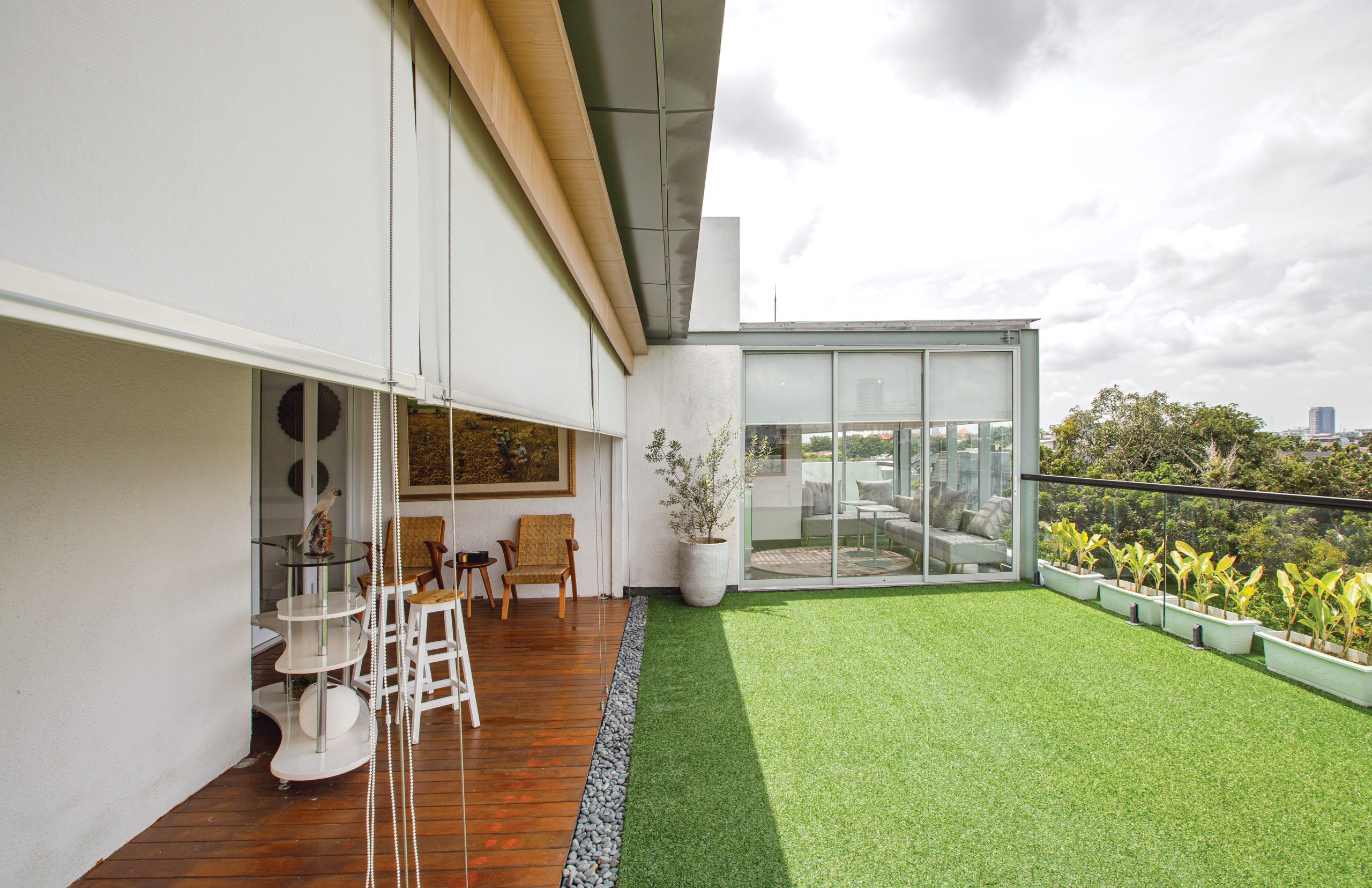
The most effective point to stop solar heat is outside the building. When shading sits on the street side, the pane itself stays cooler, and a cool pane means far less heat conducts into the room. This is why exterior shading is the strongest single answer for facades that face direct sun for hours.
Exterior blinds are not always permitted – building owners and fire officers sometimes restrict anything mounted on the facade – so we present both layers and let the survey decide. Inside, the screen is the pragmatic first layer; outside, the exterior blinds product line is the premium layer. Used together, the combined effect on indoor temperature and glare is noticeably better than either option alone.
4. Recommended combinations and installation strategy
Strategy beats fabric. Three decisions determine how well the system works, in this exact order:
- Choose the facade by priority. West wins in Jakarta, then east, then north. Shade the side where the sun actually lands before spending on neutral facades.
- Use side channels where the sun is aggressive. A channeled blind stops the fabric from flapping in AC airflows and cancels edge light gaps on the bright side.
- Plan motorization when the sun moves. One motorized line on a simple timer follows the sun’s path without anyone pulling a chain.
Motorized scheduling is the lowest-maintenance upgrade on this list: set a daily profile once and the blinds track the sun automatically, which keeps the floor comfortable and the energy bill stable. For taller buildings, motorized roller blinds for buildings explains the wiring and control points, and our office roller blind buying checklist covers the remaining specifications.
5. Simulate before you buy: send your window orientation
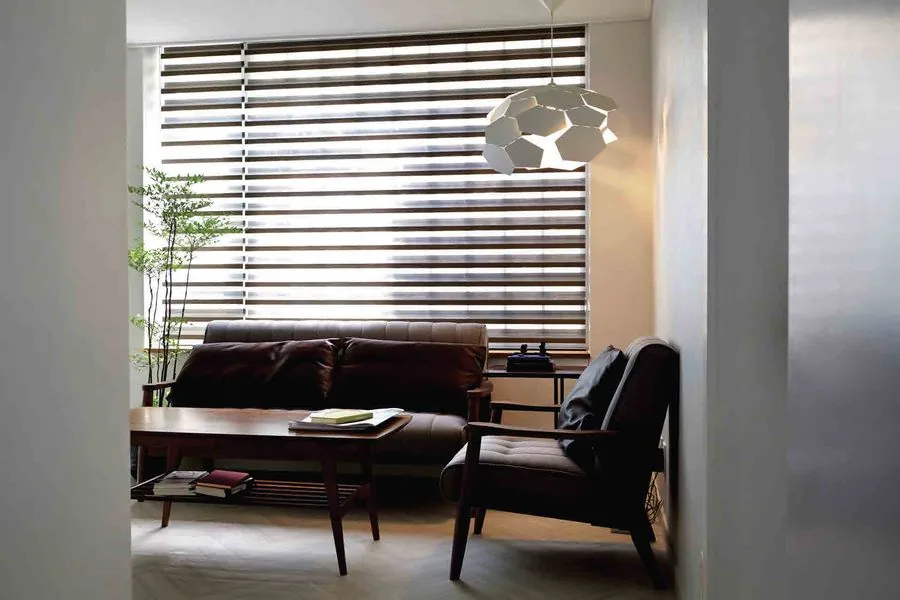
Before any quote, we ask for the window orientation because the fabric that works on an east window can disappoint on a west one. Send photos of the window, the orientation (east, west, north or south), and any furniture that must stay readable, and our team runs a simple matrix: openness for glare, color for heat, motorization for scheduling.
You can run the same test in a spreadsheet. Note the hours of direct sun per facade, the glare hours for the person sitting side-on, and the floor depth that needs daylight. That short simulation usually exposes which windows need the blinds choice that cuts office energy use. Then compare the blinds catalogue and let our free survey confirm the exact sizes on site.