

Guides & Tips
Roller Blind Factory vs Reseller: Why Buying Direct from the Manufacturer Costs Less
In Jakarta we hear one question from almost every project owner: who really makes the blinds we are quoted for? The answer decides the price, the schedule, and who is responsible when a unit leaks light or a motor stops. This article is written from the workshop floor so you can separate a real roller blind factory from a reseller, count the margin layers, and pick the cheaper, safer path for bulk orders.
Buying blinds in bulk?
We are a real fabricator: own workshop, 9 product lines, fabric width up to 2.8 m, and one team from free survey to after-sales.
Get a Wholesale QuoteTable of Contents
1. The manufacturer / fabricator: the one that really produces
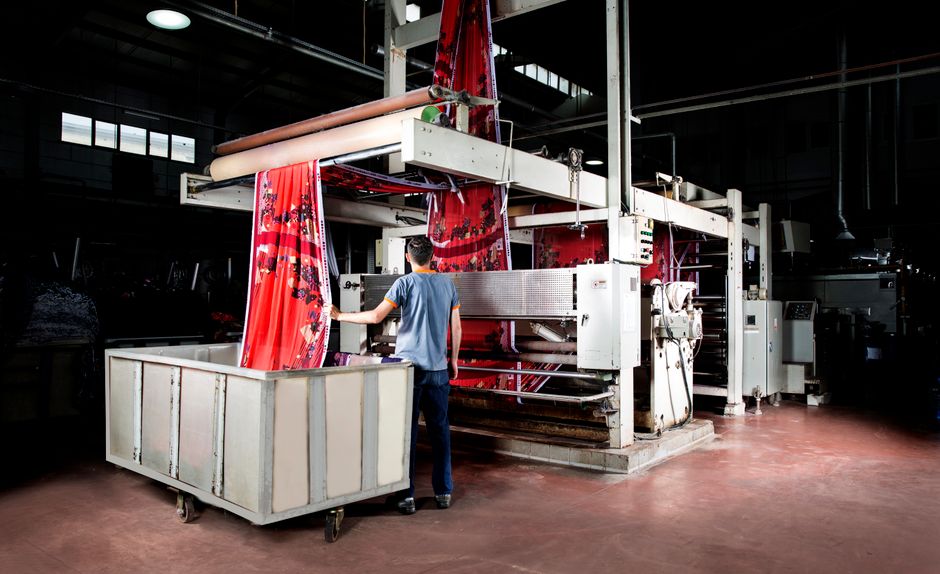
A roller blind factory is the business that actually cuts the fabric, fixes it to the aluminum tube, mounts the bracket system, and assembles the motor before the finished unit leaves the workshop. In the blinds trade this company is called a fabricator or manufacturer, and it is the only layer that can honestly change a size, a fabric, or a schedule on its own.
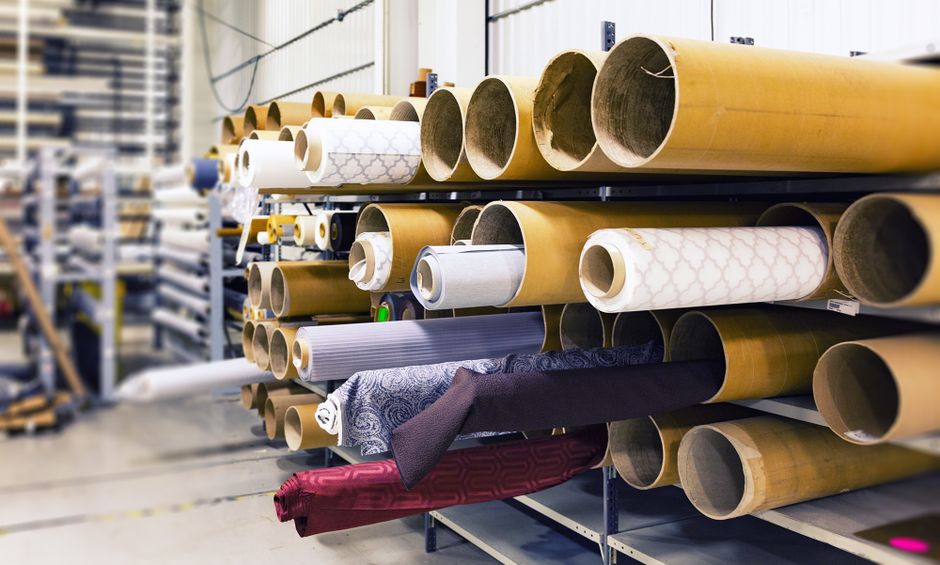
At MOWIN, the MOWIN roller blind workshop fabricates to measure rather than operating only as a reseller: fabric stock in three families (screen, dimout, blackout), cutting tables, and machines that handle fabric width up to 2.8 m. Because the raw material and the labor are internal costs, the price you see is based on production plus one transparent margin. That is why factory-direct value can be practical without choosing the cheapest materials.
A fabricator also carries nine product lines, so one team can supply roller blinds, zebra blinds, vertical blinds, venetian blinds and exterior blinds for a single project instead of five sub-suppliers. Compare the lines side by side on the roller blind product range page.
2. Distributor and reseller: the margin layers
A distributor buys blinds in large volume from several factories and resells them to shops and installers. A reseller takes orders from end customers and passes the numbers to a workshop it usually does not own. Both are legitimate businesses, and they add real value when your order is one or two windows.
For a project with dozens of units, the math changes. Every layer adds a similar percentage on top of the same roll of fabric. Two layers between you and the workshop can push the final invoice well above the production cost, with no extra production, no extra fabric, and no extra responsibility.
This is why the phrase “buying direct from the manufacturer” is not marketing speak. It is the difference between financing a supply chain and paying a single workshop that already owns the material, the machines and the installers. To see how unit prices behave at different order volumes, read our wholesale vs per-unit roller blind pricing.
3. Comparison table: manufacturer vs distributor vs reseller
The differences show up fast when you put the three options side by side against the questions that matter on a project:
| Aspect | Manufacturer | Distributor | Reseller |
|---|---|---|---|
| Production | Own workshop | No production | No production |
| Price | Production cost + one margin | Factory price plus its margin | Two or more margins on the same product |
| Schedule | Workshop controls every batch | Depends on the factory it orders from | Depends on a workshop it cannot see |
| Installation responsibility | Own installers | Depends on who is contracted | Often subcontracted |
| After-sales | Own spare parts and technicians | Limited | Little direct control |
Who holds the risk and the margin on your project.

4. Beyond price: schedule clarity and after-sales
Schedule clarity is worth as much as the price on a building project. With a fabricator, the survey team, the production floor and the installers are one company, so the schedule is one number agreed in one meeting. Sizes change? The workshop adjusts its own cutting plan, not a remote supplier.
A delay can kill a closing schedule, and a broker makes delays harder to trace. The broker has to call the workshop, wait for a reply, and relay the answer; and if that workshop is busy with other traders, your order is simply not a priority. We documented exactly how this failure plays out in how a blinds supplier can push a project behind schedule.
After-sales is the second hidden value. When a motor stops or a hem tears six months in, the fabricator walks to its spare parts shelf and sends its own technician. A reseller must first find out who actually made the unit. For routine care in the meantime, the MOWIN blinds guides on the blog cover day-to-day maintenance for office blinds.
5. How to confirm a seller is a real fabricator
Anyone can call itself a factory. Before you order dozens of units, run this checklist on the phone and in person:
- Ask for the workshop address, then visit it. A genuine fabricator shows you the cutting table, the fabric stock and the machines.
- Check the portfolio. Ask for finished projects with photos and, if possible, a reference site you can visit.
- Ask who measures. An internal measuring team is a strong sign; an outsourced measurer weakens accountability.
- Ask who installs. If the installers are employees of the same company, responsibility stays in one place.
- Ask about fabric width. A workshop with machines up to 2.8 m handles wide commercial glass that small traders must split.
If a seller hesitates when you ask to visit the workshop, that is your answer. Cross-check your findings with the project blinds supplier checklist, then review the full blinds catalogue with wholesale pricing before you decide.