

Guides & Tips
7 Tips to Choose Office Roller Blinds in Jakarta (Jabodetabek) That Last, Look Neat and Save Money
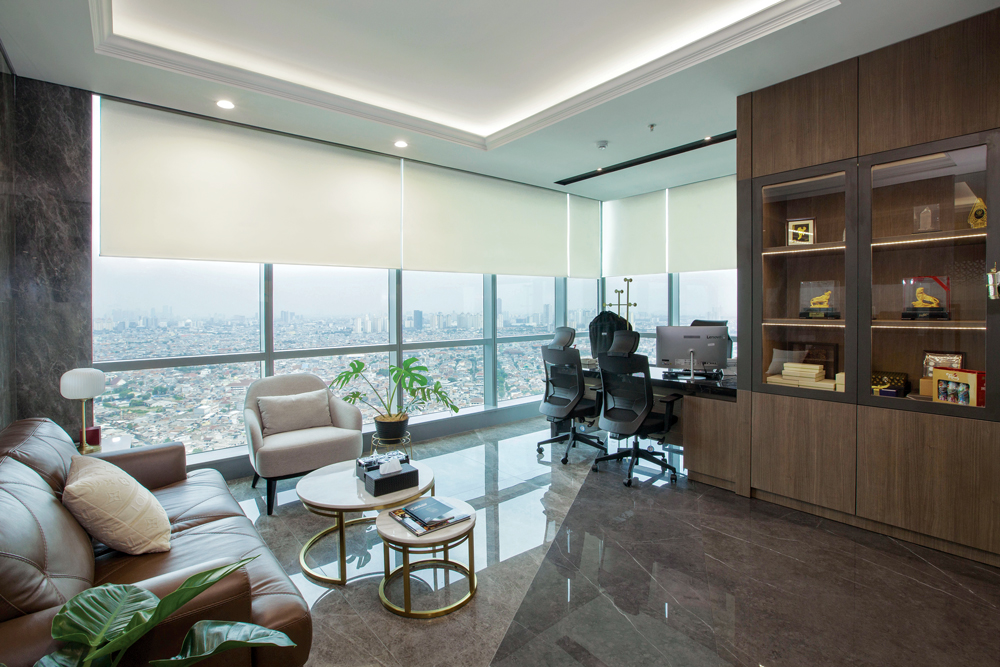
Every week we receive messages from building facility teams, interior vendors, and contractors asking the same question: “Where do I even start with office roller blinds?” As a manufacturer that cuts, sews and installs the blinds ourselves, we see two recurring patterns: wrong fabric choice followed by regret, or the right fabric with the wrong budget plan. This article is the checklist we actually use on our workshop floor – and it works for projects all across Jakarta and Jabodetabek.
Check before you buy – free
Send your office window measurements. We reply with a wholesale price estimate and a fabric recommendation the same day.
Consult on WhatsAppTable of Contents
- 1. Why choose roller blinds for an office?
- 2. Choose the fabric class: screen, dimout or blackout
- 3. Measure correctly – never guess
- 4. Match the operation: chain, crank or motor
- 5. Check accessory quality and finishing
- 6. Look for a manufacturer, not just a seller
- 7. Put warranty and after-sales in writing
- Quick FAQ
1. Why choose roller blinds for an office?
Roller blinds are the most sensible choice for offices for three reasons: a slim profile that merges with the ceiling, effortless maintenance, and a flexible fabric range from screen, dimout to blackout. Within our nine product lines, the roller blind remains the most ordered product for working floors.
Keep one thing in mind: office roller blinds quality depends on three elements – the fabric, the roll system mechanics, and measurement accuracy. The three usually fail together.
2. Choose the fabric class: screen, dimout or blackout
The fabric defines roughly 70% of the experience. A quick guide:
- Screen – cuts glare and heat while the view stays visible. Best for east-west facing working floors.
- Dimout – softens daylight and provides daytime privacy. Good for executive rooms and waiting areas.
- Blackout – blocks almost all light. A must for meeting rooms, presentation rooms, and rest areas.
Read the full comparison in our screen, dimout and blackout article.
3. Measure correctly – never guess
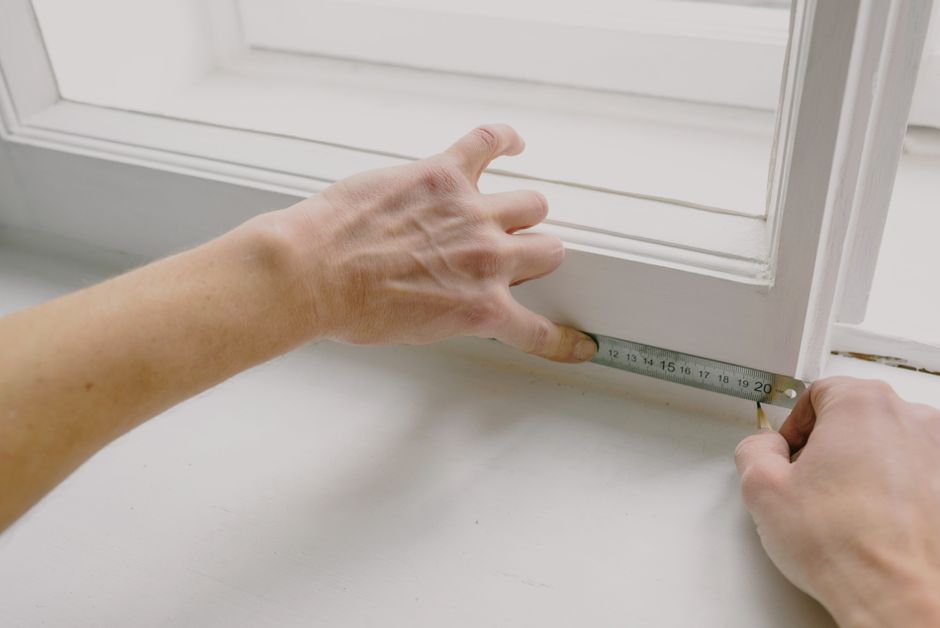
Reveal, face-fix, or frame – each has a different calculation. A mistake of one to two centimeters creates light gaps and a less precise look. We always recommend following this roller blind measuring guide, or better yet, letting our team survey it – free, including locations outside Jakarta.
4. Match the operation: chain, crank or motor
For one or two units, a steel chain is economical. For high windows, behind drapes, or busy meeting rooms, a tubular motor is the smarter move. A motorized roller blind system can run on a remote, a wall switch, or a smart building integration.
5. Check accessory quality and finishing
What buyers often overlook: the base bar, brackets, and side channels. Ask for a working sample before the contract. Fabric can be replaced, but a cheap roll system jams in year two – and the service call usually costs more than the price difference you saved.
6. Look for a manufacturer, not just a seller
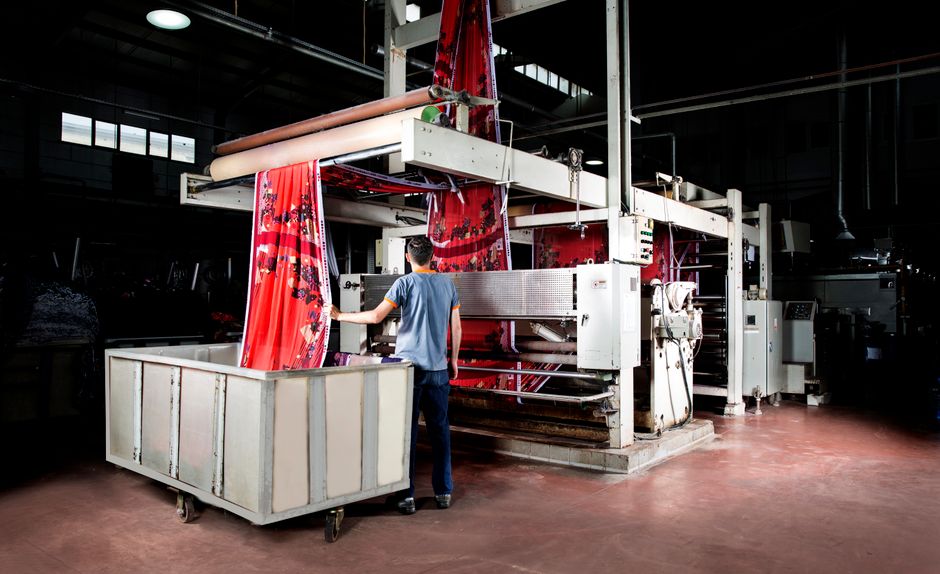
This is the key for volume buyers. Resellers add margin at every layer. A manufacturer like us produces, measures and installs in-house – so pricing is leaner and responsibility stays under one roof. The full reasoning is in our roller blind factory vs reseller article.
One more angle buyers rarely consider: lifetime cost. The cheapest quotation is rarely the cheapest after four years, because the frequency of repairs, cleaning chemicals and replacement cycles moves the total. A supplier that openly discusses fabric grade, grammage and expected lifespan is showing confidence; a supplier that avoids the topic is usually hiding the delta. Ask for the expected service life of both fabric and mechanism in writing alongside the price.
7. Put warranty and after-sales in writing
Ask for a written warranty covering the mechanism, the fabric, and the installation. Also ask how fast the supplier responds to complaints. Blinds installed by the same technicians who assembled them cause far fewer problems than blinds fitted by a third party.
For budgeting, move on to how to estimate an office blinds budget.